Is sleep apnoea dangerous? Untreated, sleep apnoea may eventually lead to grave disorders, such as heart disease, hypertension, and chronic fatigue. At CPAP Discount Warehouse, we can help you manage sleep apnoea effectively with our tried and tested CPAP solutions to improve your sleep and protect your health.
What is Sleep Apnoea?
Before answering the question "Is sleep apnoea dangerous?", we need to learn about sleep apnoea. What is the danger of sleep apnoea? Essentially, sleep apnoea is a serious sleep disorder in which breathing slows or even stops during sleep, interrupted by minute-long pauses that can occur in seconds many times each night. This means less oxygen to the body and more restless sleep.
Sleep apnoea is classified into three different types: obstructive sleep apnoea (OSA), central sleep apnoea (CSA), and complex sleep apnoea syndrome. OSA is the most common and is caused by airway blockage during sleep. CSA occurs when your brain fails to send correct signals to the muscles that control breathing. Complex sleep apnoea syndrome is a mix between obstructive sleep apnoea and central sleep apnoea.

Who is at risk for sleep apnoea?
Why is sleep apnoea is dangerous? A number of factors may enhance your risk of getting sleep apnoea. Knowing these factors may aid in early diagnosis and treatment.
-
Weight: Overweight or obese individuals have a higher risk of developing sleep apnoea due to excess fat around the neck obstructing airflow during sleep.
-
Neck size: A larger neck circumference, especially above 43 cm (about 17 inches) for males and 41 cm (about 16 inches) for females, may increase the risk for sleep apnoea as it can narrow the airway.
-
Age: Halted by its very nature from birth, sleep apnoea is more rampant the older one gets. During this aging process, the muscles of the throat weaken, increasing the chances of being obstructed while asleep.
-
Gender: Sleep apnoea is more common in men than women; however, with aging and menopause, women have an increased risk with hormonal changes.
-
Lifestyle factors: Smoking, drinking alcohol, and not exercising may increase the risk of developing sleep apnoea by relaxing the muscles of the throat or causing inflammation.
-
The genetics: Family history of sleep apnoea increases your risk, and genetic factors may play a role in how your airway works during sleep.

How Dangerous is Sleep Apnoea?
Sleep apnoea is it dangerous? Sleep apnoea goes so far beyond loud snoring or poor sleep-it can cause serious and often life-threatening consequences when untreated.
-
Cardiovascular strain: Repeated drops in oxygen levels and interrupted sleep put significant stress on the heart, increasing the risk of high blood pressure, heart attacks, and stroke. Over time, this constant strain can lead to permanent damage to the heart and blood vessels.
-
Type 2 diabetes: Sleep apnoea is closely linked to insulin resistance and poor glucose control, raising the risk of developing type 2 diabetes. The disrupted sleep pattern interferes with the body's ability to manage blood sugar levels effectively.
-
Obesity: While excess weight is a risk factor for sleep apnoea, the condition can also contribute to weight gain due to disrupted metabolism and increased hunger hormones. This creates a vicious cycle that makes it even harder to lose weight and manage overall health.
-
Mental health issues: Poor sleep quality from apnoea is associated with depression, anxiety, irritability, and difficulty concentrating. Chronic sleep deprivation also affects mood regulation, leading to emotional instability and stress.
-
Accidents and injuries: Excessive daytime sleepiness increases the risk of workplace accidents and motor vehicle crashes. Even a few seconds of microsleep behind the wheel can result in serious or fatal consequences.
-
Premature death: Studies show that untreated sleep apnoea is associated with a higher risk of early mortality due to its impact on major body systems. These risks accumulate over time and can lead to sudden cardiac events during sleep.
-
Other chronic conditions: Sleep apnoea can worsen or contribute to conditions like liver problems, asthma, and chronic fatigue syndrome. It can also weaken the immune system, making the body more vulnerable to illness and slow recovery.

Levels of Sleep Apnoea and Their Risks
Sleep apnoea is measured by the Apnoea-Hypopnoea Index (AHI), which indicates how many times your breathing stops or becomes shallow per hour of sleep. The higher the AHI, the more severe the condition - and the greater the health risks.
|
Level |
AHI Score |
Breathing Interruptions/Hour |
Health Risk |
|
Mild Sleep Apnoea |
5–14 |
5 to 14 times |
Daytime fatigue, poor concentration |
|
Moderate Sleep Apnoea |
15–29 |
15 to 29 times |
Cardiovascular strain, chronic tiredness |
|
Severe Sleep Apnoea |
30+ |
30 or more times |
Major heart risks, impaired daily life |
Mild Sleep Apnoea
Characterized by 5–14 interruptions per hour. Symptoms may be subtle but can still include daytime fatigue, light headaches, and mood changes.
Moderate Sleep Apnoea
Involves 15–29 interruptions per hour. This level is associated with louder snoring, noticeable daytime sleepiness, and increased risk of high blood pressure and heart disease.
Severe Sleep Apnoea
Defined by 30 or more interruptions per hour. It poses serious health risks including heart attacks, stroke, memory loss, and impaired cognitive and physical functioning during the day.
The Dangers of Untreated Sleep Apnoea
Is untreated sleep apnoea dangerous? When sleep apnoea goes undiagnosed or untreated, it can lead to a wide range of serious health problems that affect nearly every system in the body.
-
Cardiovascular Complications: Untreated sleep apnoea increases the risk of high blood pressure, irregular heartbeat (arrhythmia), heart attack, and stroke. The repeated drops in oxygen during sleep strain the heart and blood vessels.
-
Metabolic Disorders: Sleep apnoea is closely linked to insulin resistance and type 2 diabetes. It also contributes to weight gain and difficulty managing body weight due to hormonal imbalances and disrupted metabolism.
-
Impaired Cognitive Function: Poor sleep quality can lead to memory problems, trouble concentrating, slower reaction times, and mood disorders like depression and anxiety. Over time, it may even increase the risk of dementia.
>>> What are the Effects of Sleep Apnoea?
Recognising the Signs and Seeking Help
Sleep apnoea often goes undiagnosed because its symptoms can seem subtle or be mistaken for other issues. However, recognising the warning signs early is key to protecting your health.
Common Symptoms of sleep apnoea:
-
Loud, chronic snoring
-
Gasping or choking during sleep
-
Morning headaches
-
Excessive daytime sleepiness
-
Difficulty concentrating
-
Irritability or mood changes
-
Dry mouth or sore throat upon waking
If you or a loved one experiences these symptoms regularly, it’s time to consult a healthcare professional. A proper diagnosis can lead to life-changing treatment options.
Sleep Studies and Local Assessments
Diagnosis often begins with a sleep study - either in a lab or at home—to monitor your breathing, oxygen levels, and sleep patterns overnight. These assessments are crucial in confirming whether you have sleep apnoea and its severity.
Book a sleep assessment now with CLM Sleep and take the first step toward safer, healthier sleep.

Treatment Options and Risk Mitigation
Managing sleep apnoea effectively involves a combination of lifestyle changes, medical therapies, and emerging treatment options. Addressing the condition early can significantly reduce the risk of long-term complications.
Lifestyle Modifications
Simple changes in daily habits can make a big difference. Weight loss, quitting smoking, limiting alcohol intake, and sleeping on your side instead of your back can help reduce airway obstruction. Incorporating regular exercise and a consistent sleep schedule also supports better sleep quality and overall health.
Medical Interventions
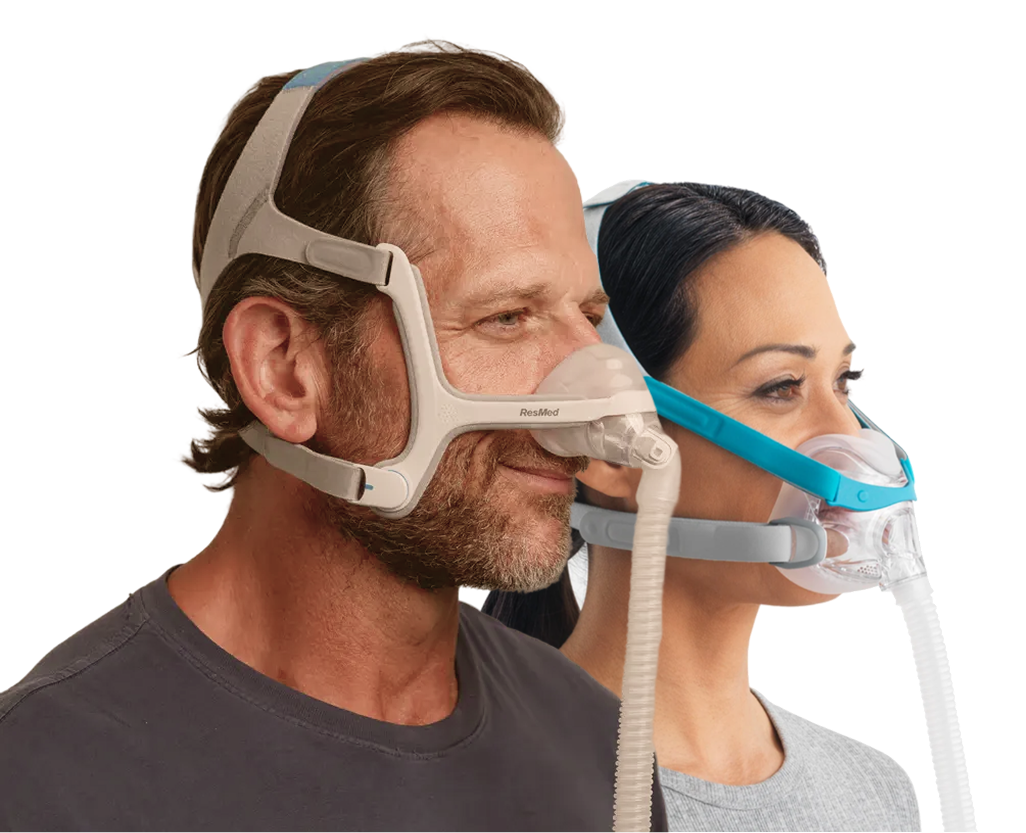
The most common and effective treatment is Continuous Positive Airway Pressure (CPAP) therapy, which keeps the airway open throughout the night. Devices like the Philips DreamStation Auto CPAP - available at CPAP Discount - are designed for comfort and ease of use to ensure treatment adherence. Other options include oral appliances and, in some cases, surgery to correct structural issues.
Emerging Treatments
Innovative therapies are continually evolving. These include implantable nerve stimulation devices, positional therapy technology, and customised digital health tools for sleep tracking and treatment optimization. While still under development or in early stages, these options offer promising alternatives for patients who struggle with traditional treatments.
FAQs
How do you fix sleep apnoea?
Sleep apnoea is typically managed rather than "fixed." Common treatments include CPAP therapy, weight loss, lifestyle changes, oral appliances, and, in some cases, surgery. The most effective and widely recommended solution is CPAP, especially for moderate to severe cases.
At what point is sleep apnoea dangerous?
Sleep apnoea becomes dangerous when it’s moderate to severe (AHI of 15 or more) and left untreated. At this stage, it significantly increases the risk of high blood pressure, heart disease, stroke, type 2 diabetes, and even early death.
Can you live with sleep apnoea?
Yes, but untreated sleep apnoea can seriously affect your health and quality of life. With proper treatment and lifestyle adjustments, most people with sleep apnoea can live a normal, healthy life.
Does sleep apnoea go away?
In some cases, especially mild sleep apnoea, symptoms may improve with weight loss or lifestyle changes. However, for many people, sleep apnoea is a chronic condition that requires long-term management.
Conclusion
Above is the answer to “Is sleep apnoea dangerous?”. Sleep apnoea is more than just loud snoring - it’s a serious medical condition that can lead to life-threatening complications if left untreated. From cardiovascular problems to cognitive decline, the risks of ignoring sleep apnoea are too great to overlook. If you’re experiencing symptoms, don’t wait. Prioritise your sleep health today and consult a specialist. Visit CPAP Discount to explore effective treatment options and book your sleep assessment.