Printable template

ResMed AirTouch N20 —
Sizing, fit & care

Print the official fitting template, hold it to your face, and read your size. Below: step-by-step sizing, cleaning routine, and exactly when each part needs replacing.

ResMed AirTouch N20
Step 1

How to size

Print your ResMed AirTouch N20 fitting template
Official ResMed template · print at 100% (no scaling)
Check the print scale first. Place a credit card on the printed calibration box — it should match exactly (85.6 × 54 mm). If not, reprint with scaling set to 100% / Actual size.
  1. 1
    Print the template at 100%
    A4, single page, no "Fit to page". Use the credit-card check above.
  2. 2
    Hold the page against your face
    Sit upright, look straight ahead, line up the nose-bridge marker.
  3. 3
    Note the size that frames your nose / mouth
    Read the size letter at the matching outline.
  4. 4
    Order that size below
    Frame size, if separate, is shown beside the cushion options.
Available cushion sizes
SML
Step 2

Getting a good seal

A correct size plus light strap tension is the goal. Marks and leaks usually mean the cushion is the wrong size — not that you need to tighten more.

Fit tips for the ResMed AirTouch N20
  • Sizes like the AirFit N20 template.
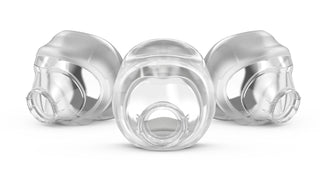
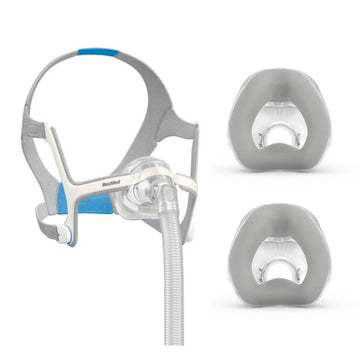
  • The memory-foam cushion suits sensitive skin but can't be washed — replace about monthly.
Leak troubleshooting
Air on my eyes
Loosen the upper straps half a turn and shift the mask down a few millimetres. If it returns, try the next size down.
Whistling at the cushion edge
The cushion isn't fully seated. Lift it off your face, let it inflate, then lay it back gently — don't tighten.
Red marks on my cheeks or nose
You're over-tightening to chase a leak. The seal should work at "barely snug". Re-check your cushion size.
Mask shifts during the night
The top strap should sit high on the crown of your head. If it slides, lift the strap higher and re-snug evenly.
Step 3

Cleaning & care

Quick daily wipe, gentle weekly wash. Avoid alcohol-based cleaners — they degrade silicone.

The memory-foam cushion is NOT washable — never rinse or submerge it; keep it dry. Wipe the frame and headgear weekly with a damp cloth and mild soap, and air-dry out of direct sunlight. Avoid alcohol, bleach and harsh detergents.
Step 4

Replacement schedule

Foam cushion: about every 1 month (foam absorbs oils and can't be washed). Headgear: every 6 months. Frame: every 6 months. Replace sooner if you see wear or persistent leaks. General guide only — follow your clinician/supplier advice.

Cushion
Replace monthly
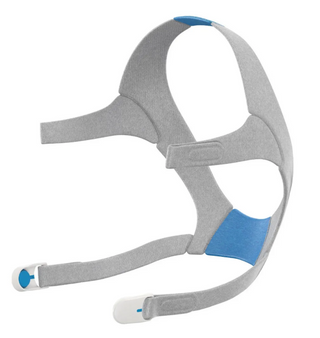
Headgear
Replace every 6 months
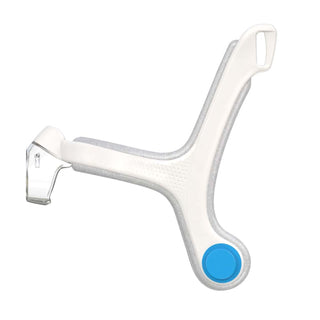
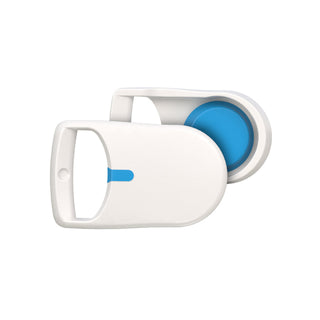
Frame / clips
Replace every 6 months
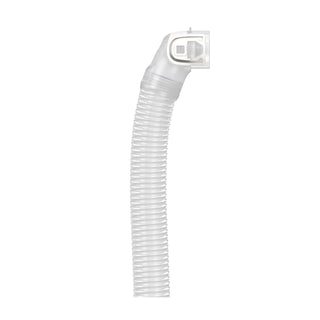
Replacement parts for the ResMed AirTouch N20
Shop the family

Masks in the ResMed AirTouch N20 family

Fits any standard CPAP machine
The ResMed AirTouch N20 uses the universal 22 mm hose connector, so it works with any standard CPAP, APAP or BiPAP machine, any brand. (For the ResMed AirMini travel device you'll need a ResMed setup pack or a hose adapter.)
Open Mask Finder
FAQ

Common questions

What size ResMed AirTouch N20 do I need?
Print the official fitting template (link above), hold it to your face, and read the size letter. About 60% of adults wear Medium, but the template takes two minutes and removes the guesswork.
How often should I replace the ResMed AirTouch N20 cushion?
About every 4 weeks. Silicone (and especially memory foam) absorbs facial oils and stops sealing properly — leaks that start "out of nowhere" are almost always a worn cushion.
How often should I replace the headgear?
Every 6 months, or sooner if the elastic loses its stretch. Worn headgear is a common hidden cause of leaks.
Can I use this with my current CPAP machine?
Most likely — modern CPAP / APAP / BiPAP machines from any brand work with any mask via the standard 22mm hose connector. Use the Mask Finder to confirm against your specific model.
Do I need a prescription?
In Australia, CPAP masks are available without a prescription — though we recommend buying through a clinician who can match the mask to your sleep study.
These are general guides — your clinician or sleep specialist can confirm what's right for you. We don't provide medical advice.